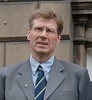
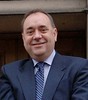
 Scotland's First Minister Alex Salmond blamed expensive food allowance claims on William Wallace events. Scotland's First Minister Alex Salmond who is also an MP at Westminster, been sucked into the expenses scandal at the House of Commons in London, with revelations Mr Salmond had claimed £800 for food expenses for two months, while the Parliament was actually in summer recess.
Mr Salmond, speaking on BBC radio last week, did not give specifics to callers on his expenses claims, choosing to blame attending William Wallace commemoration events as one of the reasons for the large food claims. Mr Salmond continued, saying he was "quite happy to go before an independent audit" but admitted no one including himself could claim they were "whiter than white" in the expenses scandal.
First Minister Alex Salmond on £800 food claims admits "I'm not whiter than white" in expenses scandal.
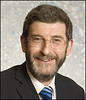 The SNP's Nigel Don embarked on a series of property deals to get Holyrood to pay his mortgage. While the First Minister claimed on BBC Radio that no one within the SNP had been 'house flipping' to claim thousands of pounds from the taxpayer on second homes, recent revelations over Nigel Don's property deals to secure £688 a month from the taxpayer to pay his mortgage, despite receiving a salary of £55,381. It is worth noting that Mr Don is also Parliamentary assistant to Justice Secretary Kenny MacAskill, and is also a member of Holyrood’s Petitions Committee, where recently Mr Don’s remarks on an access to justice petition ‘constituted disinformation’ as some pointed out at the time.
I wrote about Mr Don’s mortgage arrangements and work on the Petitions Committee in an earlier article here : Influencing Justice reforms in Scotland worth ‘price of a mortgage allowance’ as MacAskill's ministerial aide gets £688 a month to fund capital flat
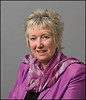 Christine Grahame, the SNP’s MSP for South Scotland claimed a staggering £26,465 for ‘stationery’. Another example of huge expenses claims at Holyrood surfaced recently with revelations the SNP’s Christine Grahame claimed a staggering £26,465 for postage and stationery, while other politicians from the Tories and Liberal Democrats representing the same area claimed ‘significantly less’ sums. You can read more about MSPs stationery claims here : Scottish Parliament : Christine Grahame’s £26k stationery expenses claim on 'consultations'
Currently, up to 28 MSPs at the Scottish Parliament, 12 of that number being SNP MSPs and 6 of those being Cabinet Ministers in the Scottish Government, including the Cabinet Secretary for Finance, John Swinney, are claiming mortgage interest payments of up to £1000 a month from the Scottish taxpayer to pay for their second homes in Edinburgh. This state of affairs could hardly be described as being ‘whiter than white’ – Scottish MSPs collectively claiming millions of pounds from the taxpayer in expenses while themselves claiming they are a model for transparency & accountability compared to their colleagues caught up in the Westminster expenses scandal.
You can read more about the Scottish Parliament’s own expenses milking scandal here : An extra £2m for MSPs at Holyrood while Westminster’s reputation withers in expenses scandal
Many MSPs have ensured they have not been outdone by their Westminster counterparts in expenses claims, in examples I have previously covered here : Scottish MSPs get in on the act of expenses milking too
 Ex Tory leader & lawyer David McLetchie was brought down over huge taxi expenses claims. The Scottish Conservatives, who have raised the issue of the First Minister’s food expenses, have themselves suffered expenses scandals, which led to the resignation of David McLetchie as the Scottish Conservative Party leader, after revelations he claimed more than £11,500 for taxi journeys ‘into the unknown’, some of the destinations being revealed later as his law office at Tods Murray, and a few trips to Morningside …. You can read more of the McLetchie scandal here : McLetchie taxi details revealed
It is also worth noting that while the Liberal Democrats in England have been told to pay back any Capital Gains Tax on profits made by selling properties funded by taxpayers, the Scottish end of the party, seems to have a different policy for its members, as has been covered in the media here : LibDems leader Tavish Scott refuses to reveal capital gains tax payments on property profits
Lets also not forget that Scottish politicians were also recently caught for even claiming wreaths from the taxpayer, reported last month here : Scottish Parliament MSPs 'as crooked Westminster' claimed expenses for funeral wreaths
What is so disgusting to me, is that while there are people including children literally begging for cancer or other medical treatments to their local NHS Trusts throughout the country, only to be told there is either no money to pay for it, or that they are in the wrong postcode, politicians from all political parties, including the SNP are able to basically claim for what they want. A thoroughly disgusting situation which no honest decent person can defend.
How could a politician, already being paid over £70,000 plus, justify they deserve £800 for food, or £14,000 to clean moss off the front of their house, while, say, a 14 year old child cannot get a life saving course of medication simply because they live in the wrong area or their own health board has run out of money. That HAS to be an affront to humanity, politicians putting money and self gain before the lives of constituents while having such a huge salary for allegedly representing our interests.
Indeed the caller in the radio show who questioned Mr Salmond on his food expenss may well be right when he said “All you politicians are in it to line your own pockets”.That much is true – they certainly do, but it must now stop, and we the electorate must hold all politicians to account for their actions of lining their own pockets, no matter which party they are from.
The Sunday Herald reports :
Fresh challenge to Salmond over London meals claims
By Tom Gordon, Scottish Political Editor
ALEX SALMOND is facing fresh accusations over his expenses as an MP, after the Conservatives proved he was out of London for several weeks during the whole period for which he submitted maximum claims for meals from the House of Commons.
The first minister claimed the monthly £400 maximum for both August and September 2005, despite Westminster being in summer recess.
Salmond has repeatedly refused to publish his diaries for the months, dismissing suggestions the claims were unjustified as "laughable".
Last week, he told a BBC Radio Scotland phone-in: "I was in London in recess in 2005. MPs often go to London. They were all legitimate Parliamentary claims."
But the Scottish Tories last night produced a list culled from SNP press releases and newspapers showing Salmond was in Scotland on at least 22 of the 61 days in question. His eight August engagements included Robin Cook's funeral, a cricket match in Edinburgh, a gala in Rhynie, an art exhibition in Banff, and a constituent's 100th birthday in Portsoy.
The following month he was in Scotland for at least a fortnight, campaigning in the Livingston and Cathcart by-elections, and attending the SNP conference in Aviemore.
Salmond's spokesman said the first minister had never stated he was in London all the time, and suggested some of the claims might refer to days when parliament was sitting.
Besides claiming £400 for food in August and September, Salmond also claimed the maximum for six other months in 2005-06, a total of £3200. He also claimed £1751 for food in 2007-08, when he was first minister, despite voting on only six days in the Commons.
Annabel Goldie, the Scots Tory leader, last night wrote to Salmond urging him to publish his diaries. She said: "I am asking him to be open and transparent with the taxpayers about his Westminster expenses. He claimed the maximum food allowance of £800 for August and September 2005, but there are doubts over how much time he actually spent in London during that period that would justify such a large claim.
"I hope for the sake of the Scottish Parliament he takes this opportunity to clear up any lingering doubt."
Salmond has been the MP for Banff and Buchan since 1987 and is also the MSP for Gordon.
The continuing row over his Commons expenses comes as a fresh review of the MSP expenses system begins at Holyrood.
Sir Neil McIntosh is to examine whether "key elements of the scheme could be expected to continue to command public confidence".
Although praised as more transparent than Westminster, the Holyrood scheme still allows MSPs to keep all profit from the sale of second homes funded by the taxpayer.
Last month, the Sunday Herald revealed 28 MSPs currently claiming mortgage interest would make around £2 million profit if they sold up.
A Holyrood source said the McIntosh review, which will report by December, was aimed squarely at closing the second homes loophole. Tavish Scott, the Scottish LibDems leader, who would make a £120,000 profit on his second home, is under fresh attack over "despicable" expense claims by his MSPs.
Peter Nield, a LibDem councillor in Angus, resigned from the party in disgust at Scott's failure to discipline four LibDems who claimed for Remembrance Day poppy wreaths.
Although all agreed to repay the money after the claims were publicised, Nield said that was "irrelevant".
Now sitting as an independent, he said of Scott: "When a party leader is so out of touch with society he does nothing to reprimand those responsible, it is a step too far for me. It is despicable MSPs on good salaries and generous expenses claim back Remembrance Day poppies as expenses."
A LibDem spokesman described Nield's decision as "disappointing".
In a statement, Salmond said he was "entirely confident" about his expenses. "I was in London in both August and September, securing an unfurnished rented flat and other engagements, and during that period also paid bills from the Commons refreshment department incurred during the parliamentary session."
***
Council expenses cost taxpayer £3m Argyll and Bute Scotland's most expensive authority By Tom Gordon, Scottish Political Editor
SCOTLAND'S councillors claimed more than £3 million in expenses last year on top of £22.4m in salaries, according to new official figures. In recent days, all 32 local authorities were forced by law to publish councillors' salaries and expenses for 2008-09, showing spending on travel, accommodation, meals, phones and IT.
Analysis by the Sunday Herald shows that the average expenses claimed per councillor ranged from £325 in the country's smallest authority, Clackmannanshire, to £6004 per head in the largest, Argyll and Bute. The Scottish average was £2486.
Under a complicated remuneration formula, all 1222 councillors earned a basic salary of at least £15,000, with more for those in bigger councils and those with special responsibilities, such as committee chairs, and provosts.
The most expensive council in terms of salaries was the City of Edinburgh, with its 58 members taking home an average £21,079 in pay.
The least expensive was Moray, with its 26 members earning an average salary of £17,314. The average across the country was £18,351.
Overall, the most expensive council, including salaries and expenses, was Argyll and Bute, run by a coalition of Independents and the SNP. Its 36 councillors cost an average of £24,088. With 25 inhabited islands covering the largest geographical area of any council, their expense claims included £152,974 on mileage and £10,703 on ferry fares.
The least expensive was Labour-run Inverclyde, whose 20 members each cost £18,128 overall. Across Scotland, the average councillor cost £20,837.
Despite outnumbering them 10 to one, the councillors expense claims came to less than a third of those made by MSPs.
The highest expenses claim was made by the SNP's Donald Manford, chairman of the transportation committee in the Western Isles, whose £20,081 claim was larger than his £17,819 salary - it included £11,740 in travel and £5300 in subsistence claims.
In contrast, several dozen councillors around the country claimed no expenses at all.
Argyll and Bute said its unique geography contributed to high costs. A spokeswoman said: "We have very strict controls on what can be claimed as expenses, and in what circumstances claims can be authorised.
"Receipts are required not only for subsistence or accommodation claims, but also for fuel ...
"Councillor remuneration is fixed by the government by statutory order, not by councils themselves. Mileage rate is also fixed by government."
Robert McGill, the deputy leader of Labour-run Clackmannanshire council, said: "We are looking to offer value for money to our constituents. It's important that local people trust their council and the expenses are all itemised and accounted for."
The Convention of Scottish Local Authorities, the umbrella body which represents all of the country's 32 councils, said: "Scotland's democratically elected councillors offer extremely good value for money.
"Councils put a real value on the public pound and therefore operate extremely well controlled systems around expenses for councillors.
"All expenditure rightly needs to be proven and would include things like the cost of mobile phone calls, IT and the sort of other businesslike necessities being a democratically elected member committed to representing communities entails."
 Scotland's courts have been criticised for protecting legal firms against challenges by barring clients from courts. A recent addition to the list of vexatious litigants in Scotland, now numbering six people, has drawn attention to the fact that most of the cases on the list appear at some stage, to involve issues relating to the legal profession, with even allegations of interference in the judicial process itself, leading to criticisms today that the Scottish courts are protecting lawyers from challenges by clients who cannot obtain legal representation due to the fact that most lawyers will not take on legal actions against their colleagues.
 Law Society of Scotland ‘strangely silent’ on public being barred from courts when cases involve challenges to lawyers. A legal insider today alleged that ‘vexatious rulings’, quietly taking place without protest, are damaging public access to justice in Scotland, and appear to be being used by the legal establishment as a last line of defence against people who find themselves unrepresented by counsel solely because their cases, which are often complicated, involve challenges to the legal profession’s way of doing things.
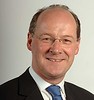 Cabinet Chief John Swinney revealed Law Society chiefs ordered solicitors to drop clients. The lack of legal representation of individuals who find themselves the target of 'vexatious litigant' rulings appears to be no accident, as Cabinet Secretary John Swinney revealed during a debate in the Scottish Parliament that Law Society chiefs have written to solicitors advising them "to drop clients", in cases which usually involve solicitors initially representing clients against other legal firms in complicated legal actions, where complaints of negligence, poor service, or falsified fee demands, and corruption against clients have been detected.
  Justice Secretary Kenny MacAskill 'should make guidelines’ to Judges on barring people from access to court. An official from a consumer organisation today said that while Scotland has so far escaped using the ruling to bar so many people from the courts, she believed it was time for the Justice Secretary to step in and ensure that members of the public are not being barred from access to the courts simply because their cases involve challenges against 'crooked lawyers' or involved claims against other professionals.